
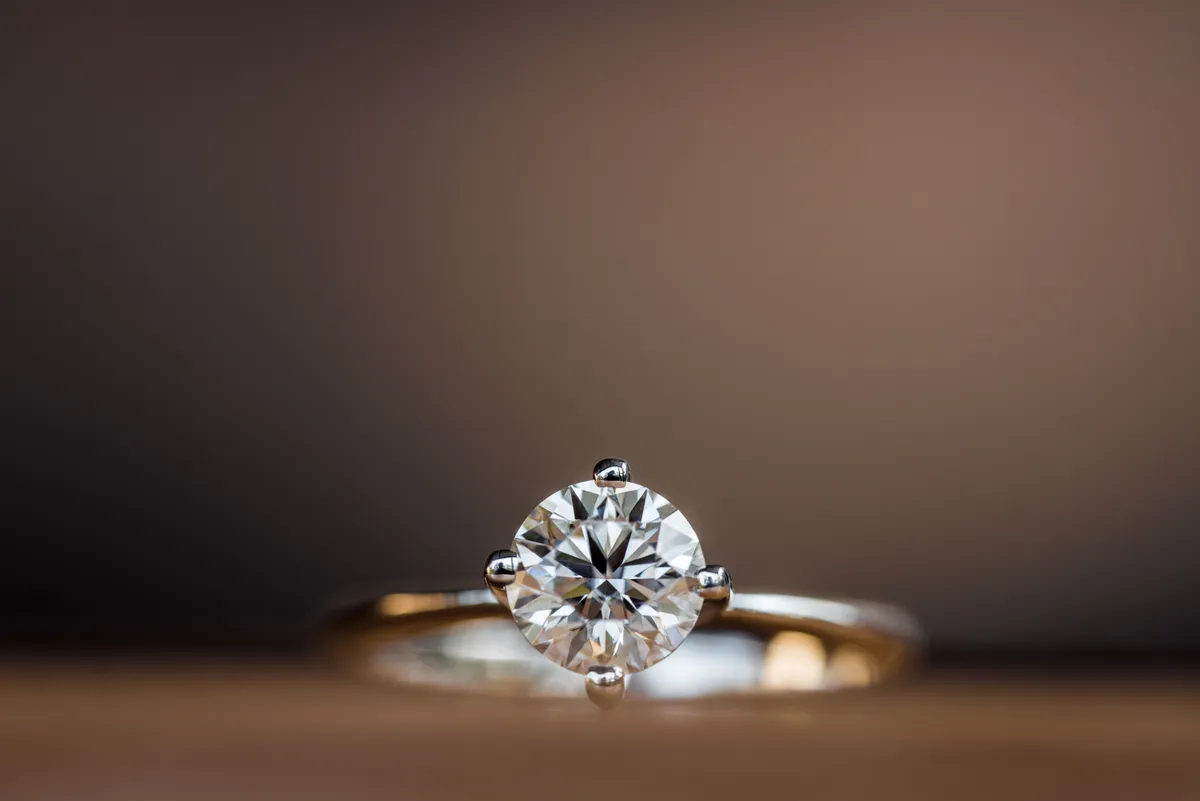
Lab Grown vs. Natural Diamonds: Which Is Right for Your Engagement Ring?
Lab grown diamonds have gone from a niche alternative to a mainstream choice as they now account for the majority of engagement ring center stones sold in the United States. If you are shopping for a ring, you will almost certainly have to decide between a lab grown and a natural diamond. The good news is that there is no wrong answer, only the right answer for your priorities.
This guide explains the real differences between lab grown and natural diamonds, including what they have in common, where they differ, and the honest tradeoffs around price and value, so you can decide which is right for you. Hannoush Jewelers carries both lab grown and natural diamonds across our Albany, Clifton Park, and Queensbury, NY showrooms, with a GIA Graduate Gemologist on staff to help you compare.
Quick Answer
Lab grown and natural diamonds are both real diamonds and are chemically, physically, and optically identical. The differences come down to origin, price, and resale value. Lab grown diamonds typically cost roughly 70–85% less than comparable natural diamonds, letting you buy a larger or higher-quality stone for the same budget. Natural diamonds hold their value better at resale and carry a rarity and heritage appeal. If you want maximum size and quality per dollar, lab grown is usually the better choice. If long-term value, rarity, or tradition matter most to you, natural may be worth the premium.
Are Lab Grown Diamonds Real Diamonds?
Yes. This is the most important thing to understand, and it is not a matter of opinion. A lab grown diamond is a real diamond. It is pure carbon arranged in the same crystal structure as a natural diamond, with the same hardness (10 on the Mohs scale), the same brilliance, and the same optical properties. The Gemological Institute of America (GIA) and the U.S. Federal Trade Commission both recognize lab grown diamonds as real diamonds.
The only difference is origin. Natural diamonds formed deep in the earth over billions of years. Lab grown diamonds are created in a matter of weeks in controlled laboratory conditions using one of two methods: High Pressure High Temperature (HPHT) or Chemical Vapor Deposition (CVD). Both methods produce genuine diamonds that are graded on the exact same 4 Cs (cut, color, clarity, and carat) by the same laboratories.
Can You Tell the Difference?
No, not with the naked eye. A lab grown and a natural diamond of the same quality are visually identical. The only way to distinguish them is with specialized equipment that detects the subtle differences in how each type formed, and through the diamond's grading report and laser inscription, which identify a stone as lab grown or natural.
This means no one looking at the ring on your hand will be able to tell whether the diamond is lab grown or natural. The choice is entirely about your own priorities, not about appearance.
Lab Grown vs. Natural: Side by Side
Here is how the two compare across the factors that matter most when choosing an engagement ring diamond.
| Factor | Lab Grown Diamond | Natural Diamond |
|---|---|---|
| Origin | Grown in a lab in weeks | Formed underground over billions of years |
| Chemical makeup | Pure carbon — identical | Pure carbon — identical |
| Appearance | Indistinguishable by eye | Indistinguishable by eye |
| Hardness | 10 on the Mohs scale | 10 on the Mohs scale |
| Grading | Same 4 Cs (GIA / IGI) | Same 4 Cs (GIA / IGI) |
| Price | Roughly 70–85% less | Higher — reflects rarity |
| Resale value | Lower (about 10–30% of retail) | Stronger (about 40–60% of retail) |
| Supply | Can be produced to meet demand | Finite and limited |
| Best for | Size and quality per dollar | Rarity, tradition, heirloom value |
The Price Difference
Price is the most striking difference between the two. In 2026, a lab grown diamond typically costs roughly 70–85% less than a natural diamond of comparable cut, color, clarity, and carat. In practical terms, that means a budget that buys a modest natural diamond can buy a significantly larger or higher-quality lab grown stone or the same size stone for far less, freeing up budget for the setting, the wedding band, or anything else.
Lab grown diamond prices fell dramatically over the past several years as production technology improved and supply increased. Entering 2026, prices for premium specifications have largely stabilized, though they remain far below natural diamond prices. Natural diamond prices, by contrast, have stayed relatively stable, supported by their finite supply.
A Note on Pricing
Diamond prices vary by specification, certification, and the individual stone. The percentages above are general market ranges, not quotes. For current pricing on specific lab grown and natural diamonds, visit Hannoush Jewelers in Albany, Clifton Park, or Queensbury to compare real stones and exact figures.
The Value and Resale Difference
The most important trade-off to understand is where lab grown and natural diamonds genuinely diverge. Natural diamonds hold their value better over time, typically retaining around 40–60% of their retail price on the secondary market, supported by an established network of estate jewelers and auction houses. Lab grown diamonds currently retain far less, often only about 10–30% of retail, because production costs continue to fall and supply keeps growing, which puts downward pressure on resale prices.
A more practical way to evaluate the difference is that while lab grown diamonds generally retain a smaller percentage of their original purchase price, their significantly lower upfront cost often means the total dollars at risk are considerably less.
It's also worth considering that most engagement rings are never sold. For many couples, the ring is often passed down as a cherished keepsake, making resale value a secondary consideration.
If your priority is finding a beautiful diamond at the best possible value to wear and enjoy for years to come, resale value may have little impact on your decision. However, if you view your diamond as both a meaningful heirloom and an asset with long-term value, natural diamonds have a distinct advantage.
Which Should You Choose?
There is no universally correct answer; the right choice depends on what you value most. Here is a simple way to decide:
Consider lab grown if: you want the largest or highest-quality diamond your budget allows, you would rather put savings toward the setting or other goals, ethical and environmental sourcing is a priority, and you do not plan to resell the ring.
Consider natural if: long-term value retention matters to you, you are drawn to the rarity and billion-year history of a natural stone, you want a diamond that could become a financial or sentimental heirloom, or tradition is important to you.
Both are real, beautiful, durable diamonds. The decision is about your priorities and values, not about quality. The best way to decide is to see both in person and determine which feels right for you and your partner.
Frequently Asked Questions
Are lab grown diamonds real diamonds?
Yes. Lab grown diamonds are real diamonds, chemically, physically, and optically identical to natural diamonds. They are made of pure carbon in the same crystal structure, have the same hardness, and are graded on the same 4 Cs. The GIA and the U.S. Federal Trade Commission both recognize lab grown diamonds as real diamonds. The only difference is that they are created in a lab rather than formed underground.
Can you tell the difference between a lab grown and natural diamond?
No. A lab grown and a natural diamond of the same quality are visually identical and cannot be told apart with the naked eye. Even a trained jeweler cannot distinguish them by sight. The only way to tell them apart is with specialized laboratory equipment and the diamond's grading report and laser inscription, which identify the stone as lab grown or natural.
Do lab grown diamonds hold their value?
Lab grown diamonds generally have lower resale value than natural diamonds, currently retaining roughly 10–30% of their retail price, while natural diamonds typically retain around 40–60%. This is because lab grown supply continues to grow and production costs continue to fall. However, because lab grown diamonds cost much less to begin with, the actual dollars lost can be smaller, and most people never resell their engagement ring at all.
Are lab grown diamonds cheaper than natural diamonds?
Yes, significantly. In 2026, lab grown diamonds typically cost roughly 70–85% less than natural diamonds of comparable quality. This allows buyers to choose a larger or higher-quality stone for the same budget, or the same stone for far less. The exact price depends on the diamond's specifications and certification.
Where can I compare lab grown and natural diamonds near Albany, NY?
Hannoush Jewelers carries both lab grown and natural diamonds at all three of its Capital Region showrooms - Albany (112 Wolf Road), Clifton Park (1750 US-9), and Queensbury (1054 US-9). A GIA Graduate Gemologist on staff can show you both types side by side, explain the trade-offs, and help you choose the right diamond for your engagement ring and budget.
Compare Both at Hannoush Jewelers
The best way to choose is to see both in person. Visit Hannoush Jewelers in Albany, Clifton Park, or Queensbury to compare lab grown and natural diamonds with a GIA certified Diamond Specialist to help you compare and find the right stone for your engagement ring.